If you’re planning to sell products online, you’ve likely come across Etsy and Gumroad. While both platforms help creators earn money from their work, they are designed for very different types of businesses. Choosing the right platform depends on what you sell, who your customers are, and how you want to grow your business.
Etsy is one of the world’s largest online marketplaces for handmade products, vintage goods, craft supplies, and personalized gifts. It attracts millions of buyers who actively search for creative and unique products. Sellers benefit from built-in marketplace traffic, making Etsy an excellent option for artists, crafters, and small business owners who want immediate exposure.
Gumroad, on the other hand, is built primarily for creators selling digital products. Authors, designers, musicians, developers, educators, and content creators use Gumroad to sell ebooks, templates, courses, software, music, memberships, and downloadable files directly to their audience. Unlike Etsy, Gumroad doesn’t operate as a marketplace where customers browse products. Instead, it provides tools that help creators sell through their own websites, social media, newsletters, and online communities.
Neither platform is better for every seller. Etsy is ideal if you want access to an established marketplace with built-in buyers, while Gumroad is a better fit for creators who already have an audience or plan to build one independently.
In this comparison, we’ll examine Etsy and Gumroad across product types, pricing, ease of use, customization, marketing, SEO, payments, analytics, scalability, and overall value to help you decide which platform is the right choice for your online business.
Etsy vs Gumroad: Quick Comparison
| Feature | Etsy | Gumroad |
|---|---|---|
| Best For | Handmade products, vintage items & personalized gifts | Digital products and creator businesses |
| Marketplace Traffic | Yes | No |
| Digital Products | Good | Excellent |
| Physical Products | Excellent | Limited |
| Store Customization | Limited | Moderate |
| Marketing Tools | Basic | Good |
| SEO | Good | Moderate |
| Payment Processing | Built-in | Built-in |
| Scalability | Good | Very Good |
| Overall Rating | 4.6/5 | 4.5/5 |
Quick Recommendation
Choose Etsy if you want to:
- Sell handmade products
- Reach millions of existing buyers
- Open a shop quickly
- Sell personalized or vintage items
- Start with minimal marketing
Choose Gumroad if you want to:
- Sell digital downloads
- Offer online courses
- Sell ebooks or templates
- Build an audience outside a marketplace
- Keep full control over your customer relationships
Etsy vs Gumroad: What Is the Difference?
Although Etsy and Gumroad both allow individuals to sell products online, their business models are completely different.
Etsy is a marketplace. Customers visit Etsy specifically to discover and purchase handmade, vintage, and creative products. Sellers compete with one another for visibility within Etsy’s search results, category pages, and recommendations. This means you can start making sales without already having an audience, provided your listings are optimized and your products appeal to Etsy shoppers.
Gumroad isn’t a marketplace in the traditional sense. Instead, it acts as a storefront and checkout platform. It gives creators a simple way to sell digital or physical products directly to customers. Most Gumroad sellers generate traffic from external sources such as YouTube, blogs, social media, email newsletters, or paid advertising.
Another major difference is branding.
On Etsy, your shop exists within Etsy’s ecosystem. While you can customize your logo, banner, and product listings, the overall shopping experience is controlled by Etsy.
With Gumroad, your storefront is much simpler but gives you more independence. Buyers interact directly with your brand instead of browsing through a large marketplace full of competitors.
The two platforms also attract different types of customers.
Etsy shoppers are generally looking for gifts, handmade goods, home décor, and personalized products.
Gumroad customers are usually searching for digital content, educational resources, software, creative assets, or exclusive creator content.
Winner
For marketplace exposure and built-in traffic, Etsy has a clear advantage.
For creators who already have an audience and want to sell directly, Gumroad is the stronger option.
Winner: etsy
Etsy vs Gumroad: Product Types You Can Sell
The biggest difference between Etsy and Gumroad is the type of products each platform is designed to support.
Selling on Etsy

Etsy specializes in creative and handmade products.
Popular categories include:
- Handmade jewelry
- Personalized gifts
- Home décor
- Wedding accessories
- Art prints
- Handmade clothing
- Craft supplies
- Vintage products
- Digital downloads
- Printable planners
Although Etsy supports digital downloads, they represent only a small portion of the overall marketplace.
The platform performs best when products have a creative or handmade element.
Selling on Gumroad
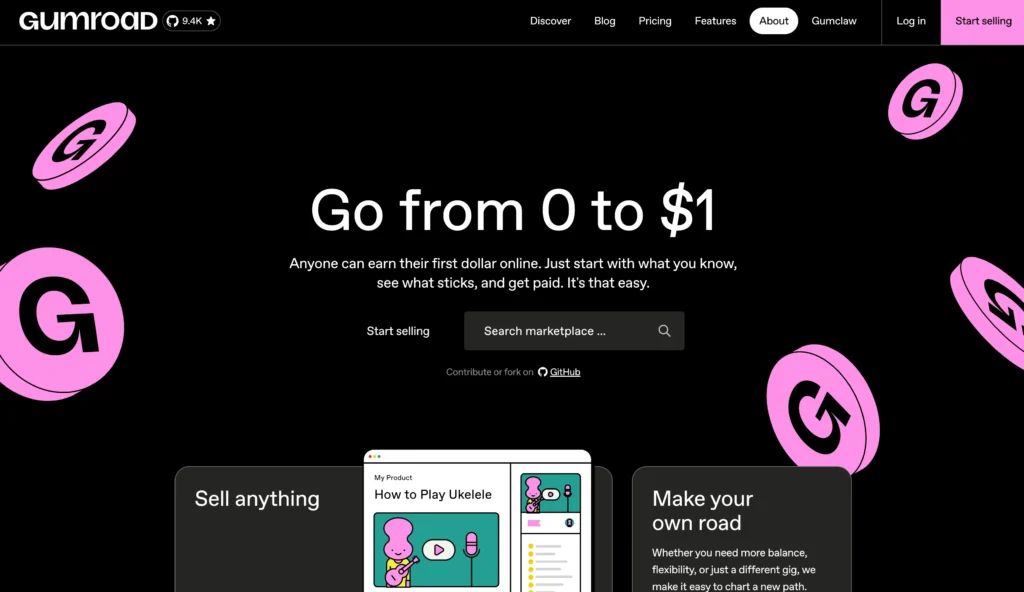
Gumroad focuses heavily on digital products.
Creators commonly sell:
- Ebooks
- Online courses
- Digital templates
- Notion templates
- Software
- Mobile apps
- Music
- Stock photography
- Design resources
- Fonts
- Plugins
- Memberships
- Premium newsletters
Physical products can also be sold through Gumroad, but its features are much more limited compared to platforms built specifically for physical commerce.
If your business revolves around downloadable products, Gumroad provides a much better experience.
Winner
For handmade and physical products, Etsy is the stronger platform.
For digital products, courses, and creator content, Gumroad is clearly superior.
Winner: Tie
Etsy vs Gumroad: Ease of Getting Started
One of the reasons both platforms are popular is that they are beginner-friendly.
Getting Started with Etsy
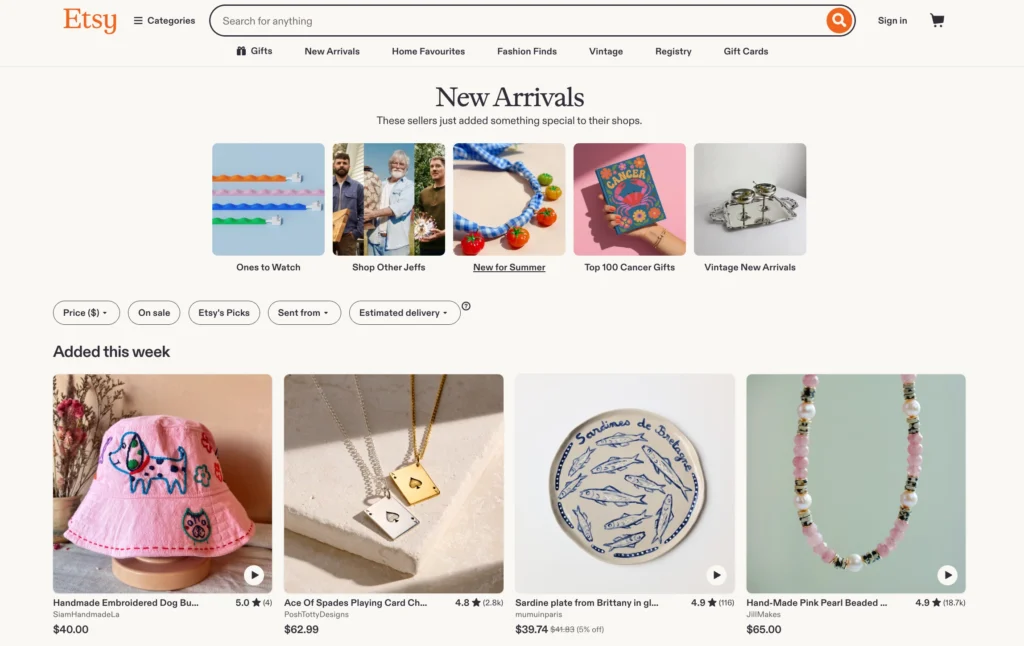
Launching an Etsy shop is straightforward.
Sellers simply:
- Create an account
- Name their shop
- Upload product photos
- Add descriptions
- Set prices
- Configure shipping
- Publish listings
No website or technical knowledge is required.
Because Etsy already has buyers searching for products, new sellers can begin receiving traffic almost immediately.
Getting Started with Gumroad
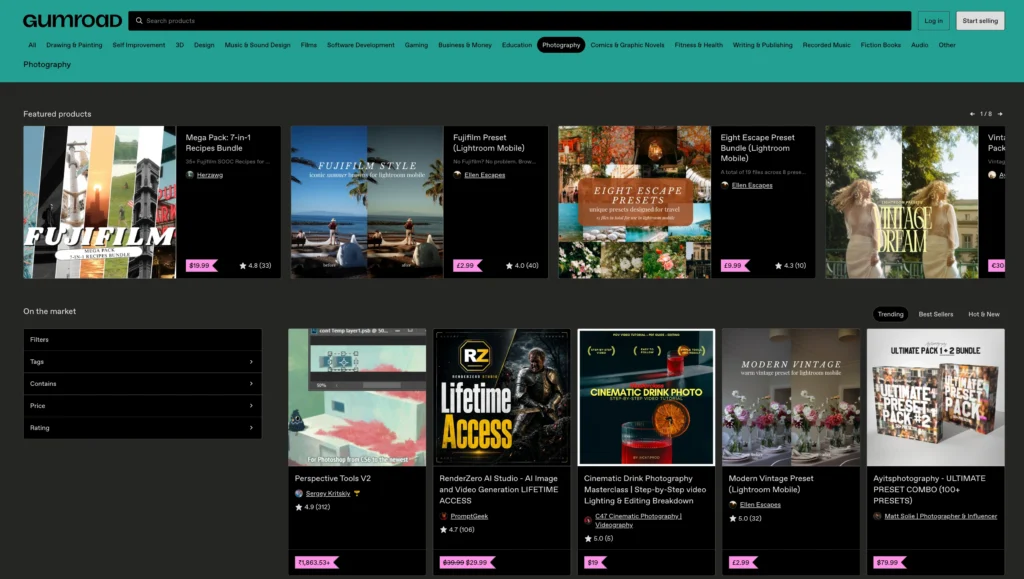
Gumroad is equally easy to set up.
Creating a store typically involves:
- Signing up
- Uploading digital files
- Adding product details
- Setting a price
- Connecting payment information
- Publishing the product
Unlike Etsy, Gumroad doesn’t require shipping settings for digital products, making the setup process even faster for creators selling downloadable content.
However, sellers are responsible for bringing visitors to their storefront.
Winner
Both platforms are extremely beginner-friendly.
Etsy is slightly easier if you’re selling physical products, while Gumroad is simpler for digital creators.
Winner: etsy
Etsy vs Gumroad: Pricing and Selling Fees
Understanding selling costs is essential before choosing a platform.
Etsy Fees
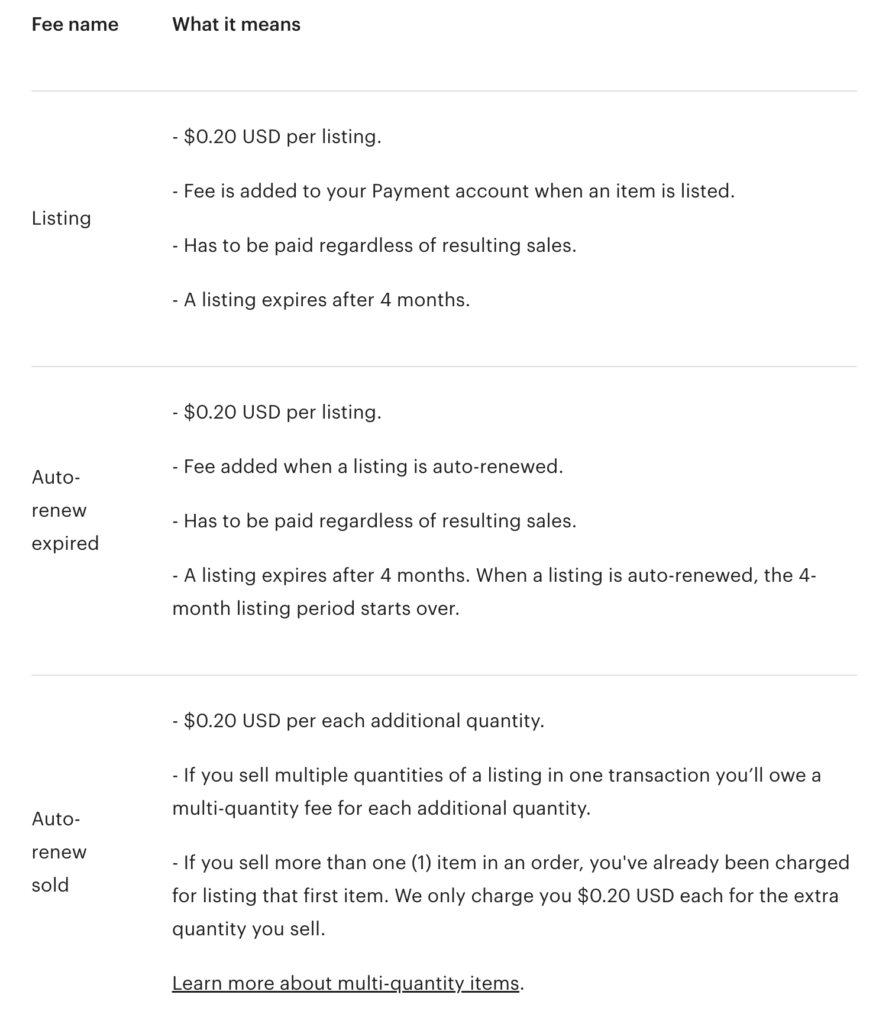
Etsy charges multiple fees, including:
- Listing fees
- Transaction fees
- Payment processing fees
- Optional Etsy Ads and Offsite Ads fees
For sellers with a large catalog, listing fees can increase operating costs over time.
However, these fees help fund the marketplace that brings millions of buyers to Etsy every month.
Gumroad Pricing
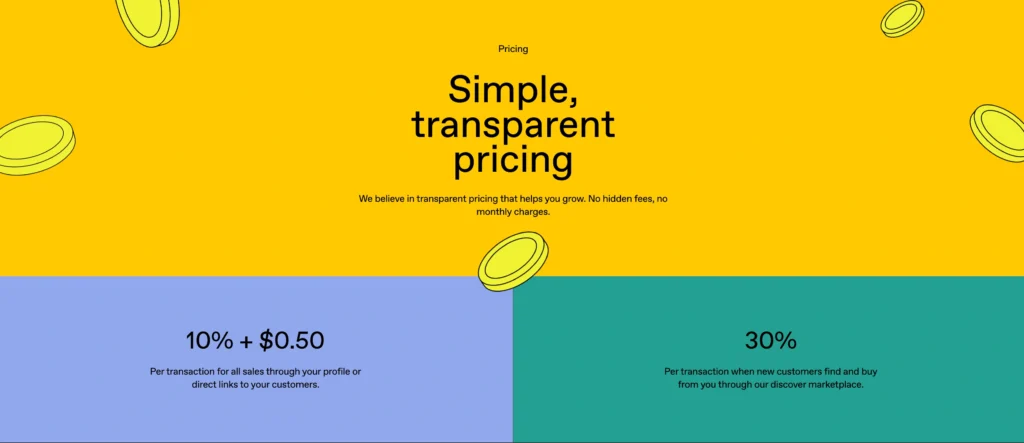
Gumroad doesn’t charge listing fees.
Instead, sellers typically pay transaction fees on each sale. The platform also offers additional features and lower fees through paid plans, depending on the creator’s needs and pricing structure.
For creators selling digital products with a smaller catalog, this pricing model is often easier to manage because there are no recurring listing costs.
As sales volume increases, comparing total fees between Gumroad and alternatives becomes more important, especially for high-revenue businesses.
Winner
For handmade sellers benefiting from marketplace traffic, Etsy’s fees can be worthwhile.
For digital creators with a limited number of products, Gumroad often provides a simpler pricing structure.
Winner: Tie
Etsy vs Gumroad: Store Customization and Branding
Your storefront influences how customers perceive your business.
Etsy Branding
Etsy allows sellers to customize:
- Shop logo
- Banner image
- Shop announcement
- Product descriptions
- Policies
However, every Etsy shop follows the same marketplace layout.
Customers remember they’re shopping on Etsy first and your brand second.
This is ideal for beginners but less effective for businesses trying to build a unique identity.
Gumroad Branding
Gumroad offers a cleaner and more independent storefront.
Creators can customize:
- Profile
- Product pages
- Branding elements
- Product images
- Pricing options
Although customization isn’t as extensive as dedicated eCommerce platforms like Shopify, buyers experience a more creator-focused storefront without competing product recommendations.
This helps strengthen your personal or business brand.
Winner
For sellers focused on building a recognizable brand, Gumroad offers greater independence.
Winner: Gumroad
Etsy vs Gumroad: Marketing and SEO
Generating consistent sales depends on how effectively you reach potential customers.
Etsy Marketing
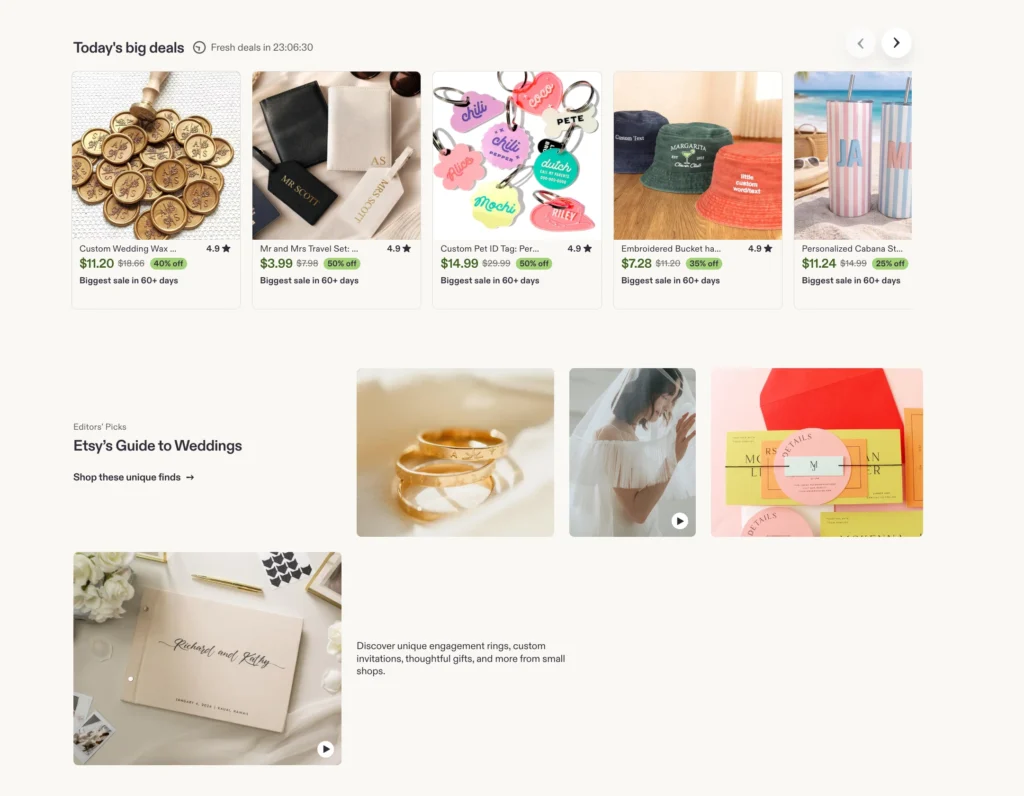
One of Etsy’s biggest strengths is its built-in marketplace traffic. Millions of shoppers visit Etsy every month specifically looking for handmade products, personalized gifts, vintage items, and creative goods.
Sellers can gain visibility through:
- Etsy Search
- Category pages
- Recommended products
- Etsy Ads
- Offsite Ads
Success depends on optimizing product titles, descriptions, keywords, pricing, customer reviews, and photos.
The biggest advantage is that new sellers don’t need an existing audience to make their first sale.
Gumroad Marketing
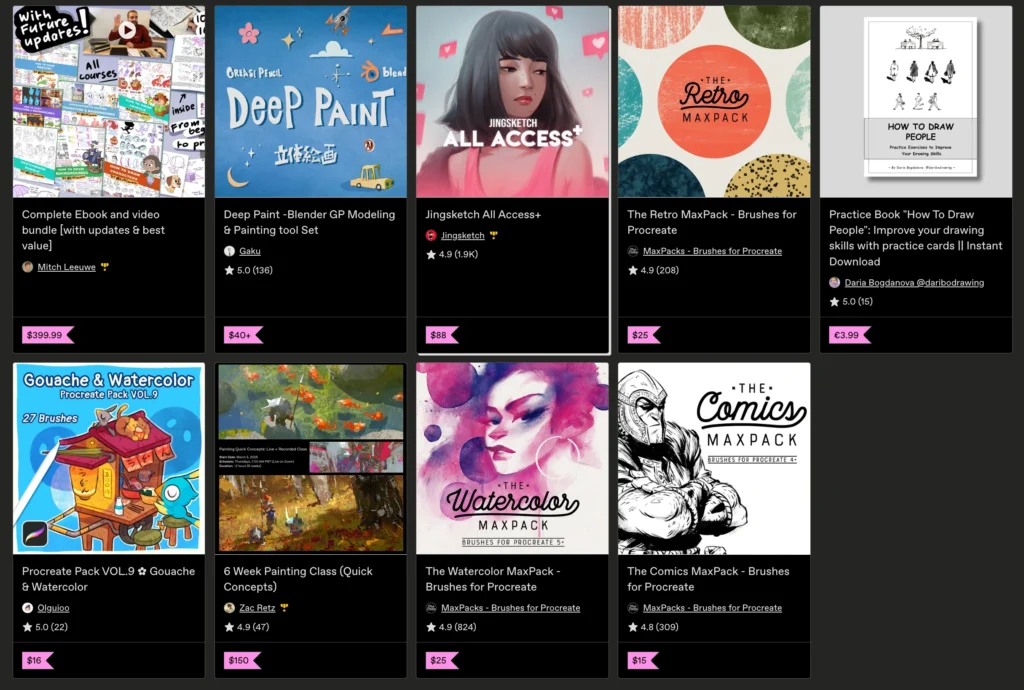
Gumroad takes a different approach.
Instead of relying on marketplace traffic, creators are expected to bring their own audience.
Common traffic sources include:
- Blogs
- YouTube
- X (Twitter)
- TikTok
- Email newsletters
- Podcasts
- Affiliate marketing
- Paid advertising
This gives creators much more freedom over how they promote their products, but it also means success depends heavily on their marketing efforts.
For creators with an established following, Gumroad can be extremely effective because every visitor is directed to their own storefront rather than competing listings.
Winner
Etsy is the better choice if you want built-in traffic and organic marketplace exposure.
Gumroad is stronger for creators who already have an engaged audience and want full control over their marketing.
Winner: Etsy
Etsy vs Gumroad: Payment Processing
A reliable payment system is essential for any online business. Both Etsy and Gumroad offer built-in payment processing, but they cater to different selling models.
Etsy Payments
Etsy Payments allows sellers to accept payments from buyers using a variety of payment methods, including:
- Credit and debit cards
- Apple Pay
- Google Pay
- PayPal (where available)
- Etsy Gift Cards
- Buy Now, Pay Later options in supported countries
Since Etsy manages the checkout process, sellers don’t need to configure payment gateways themselves. Payments are deposited into the seller’s bank account according to Etsy’s payout schedule.
This simplicity is ideal for creators who want to focus on making products rather than managing payment systems.
Gumroad Payments
Gumroad also handles payment processing, making it easy for creators to start selling without integrating third-party payment gateways.
Customers can typically pay using:
- Credit and debit cards
- PayPal (where supported)
- Local payment methods in eligible regions
For digital creators, Gumroad automatically delivers downloadable files after successful payment, eliminating the need for manual fulfillment.
The platform also handles taxes for digital products in many regions, reducing administrative work for creators.
Winner
Both platforms provide secure payment processing.
Etsy offers a smoother experience for physical products, while Gumroad is optimized for digital product delivery.
Winner: Tie
Etsy vs Gumroad: Customer Management
Building long-term customer relationships is important for growing an online business.
Customer Management on Etsy
Etsy provides basic customer management features.
Sellers can:
- Message buyers
- Respond to reviews
- Send order updates
- Handle custom requests
- Resolve customer issues
However, Etsy controls much of the customer relationship.
Your customers are technically Etsy customers, and communication must follow Etsy’s marketplace policies. Marketing to previous buyers outside Etsy is also more limited.
Customer Management on Gumroad
Gumroad gives creators more direct access to their audience.
Creators can:
- Collect customer email addresses
- Notify buyers about new products
- Offer discounts
- Sell memberships
- Deliver product updates
- Build repeat business
This direct relationship is valuable for creators who release new products regularly, such as ebooks, templates, music, or online courses.
Instead of relying on marketplace traffic, creators build an audience that can continue purchasing from them over time.
Winner
For building long-term customer relationships and encouraging repeat sales, Gumroad offers more flexibility.
Winner: ETSY
Etsy vs Gumroad: Analytics and Reporting
Understanding how your products perform helps you make better business decisions.
Etsy Analytics
Etsy provides sellers with useful performance data, including:
- Shop visits
- Listing views
- Orders
- Revenue
- Conversion rate
- Traffic sources
- Search terms
These insights help sellers understand which products are performing well and where customers are finding their shop.
However, reporting is primarily focused on marketplace performance.
Gumroad Analytics
Gumroad offers analytics tailored for digital creators.
Depending on your products, you can monitor:
- Sales
- Revenue
- Customer growth
- Product performance
- Affiliate sales
- Subscription income
Since creators often drive traffic from multiple external channels, Gumroad’s reporting helps identify which marketing efforts generate the most revenue.
Winner
Both platforms provide useful analytics, but Gumroad’s reports are better suited to creators building independent businesses.
Winner: Gumroad
Etsy vs Gumroad: Apps and Integrations
As your business grows, connecting with other tools becomes increasingly important.
Etsy Integrations
Etsy integrates with a range of third-party services that help sellers manage:
- Inventory
- Shipping
- Accounting
- Print-on-demand
- Social media scheduling
Popular integrations include shipping platforms, accounting software, and inventory management tools.
While useful, Etsy’s integrations are largely focused on supporting marketplace sellers.
Gumroad Integrations
Gumroad supports integrations that help creators automate and expand their businesses.
Depending on your workflow, you can connect Gumroad with:
- Email marketing platforms
- Automation tools
- Membership platforms
- Analytics software
- Creator tools
Many creators also use Gumroad alongside personal websites, blogs, or creator platforms to streamline product delivery and customer communication.
Winner
For creators building an ecosystem around their business, Gumroad provides more flexibility.
Winner: Gumroad
Etsy vs Gumroad: Scalability
Choosing a platform that can grow alongside your business is important.
Growing with Etsy
Etsy works exceptionally well for:
- Hobby businesses
- Handmade brands
- Artists
- Jewelry makers
- Personalized gift sellers
As your shop grows, you can increase your product catalog, improve search rankings, and build a strong review profile.
However, you’ll always operate within Etsy’s marketplace rules and compete against other sellers offering similar products.
Marketplace algorithm updates and fee changes can also affect long-term growth.
Growing with Gumroad
Gumroad is particularly well suited for creators who plan to expand their digital business.
As your audience grows, you can introduce:
- New digital products
- Online courses
- Memberships
- Product bundles
- Software updates
- Premium content
Because you’re building your own audience rather than relying on marketplace traffic, every new customer strengthens your business over the long term.
For creators with an established following, Gumroad can scale efficiently without requiring a complex eCommerce setup.
Winner
For digital-first businesses and creator brands, Gumroad offers stronger long-term scalability.
Winner: Gumroad
Etsy vs Gumroad: Pros and Cons
Etsy Pros
- Access to millions of active buyers.
- Excellent marketplace for handmade and personalized products.
- Easy to set up and manage.
- Built-in search traffic.
- Trusted platform with strong buyer confidence.
- Great for small creative businesses.
Etsy Cons
- Listing and transaction fees can add up.
- High competition in popular categories.
- Limited branding opportunities.
- Marketplace policies may change over time.
- Customer relationships remain tied to Etsy’s platform.
Gumroad Pros
- Excellent for digital products.
- Simple setup with no website required.
- Strong tools for creators and educators.
- Direct customer relationships.
- Supports memberships and recurring sales.
- Better branding than a marketplace listing.
Gumroad Cons
- No large marketplace bringing organic buyers.
- Requires creators to generate their own traffic.
- Less suitable for physical products.
- Limited storefront customization compared to dedicated eCommerce platforms.
- Growth depends heavily on personal marketing efforts.
Who Should Choose Etsy?
Etsy is the better platform if you:
- Sell handmade products.
- Create personalized gifts.
- Offer vintage products.
- Sell craft supplies.
- Want access to an existing marketplace.
- Prefer customers to discover your products through search.
- Are starting a small creative business.
- Don’t want to build your own audience immediately.
Who Should Choose Gumroad?
Gumroad is ideal if you:
- Sell ebooks or PDFs.
- Create online courses.
- Offer digital templates.
- Sell software or creative assets.
- Run a YouTube channel or blog.
- Have an email newsletter.
- Want direct relationships with customers.
- Plan to build a creator-focused business.
Final Verdict: Etsy vs Gumroad
Although Etsy and Gumroad both help individuals sell products online, they serve very different types of businesses.
Etsy is one of the best marketplaces for handmade goods, vintage products, and personalized gifts. It provides immediate access to millions of active buyers, making it easier for new sellers to gain visibility without investing heavily in marketing. If your products fit Etsy’s niche, the marketplace can generate consistent traffic and sales while handling much of the technical side of running an online shop.
Gumroad takes a different approach. Rather than functioning as a marketplace, it acts as a sales platform for creators who want to sell directly to their audience. It’s particularly well suited for digital products such as ebooks, templates, courses, music, software, and memberships. By giving creators direct access to their customers, Gumroad makes it easier to build long-term relationships and encourage repeat purchases.
The right choice ultimately depends on what you sell.
If your business focuses on handmade, physical, or personalized products and you want marketplace traffic, Etsy is the stronger option.
If you’re a creator selling digital products and you’re prepared to market your work through your own website, social media, or email list, Gumroad provides greater flexibility and long-term ownership of your audience.
Some creators even use both platforms together. For example, an illustrator might sell physical prints and handmade merchandise on Etsy while offering digital downloads, brushes, tutorials, or design templates through Gumroad. This strategy allows creators to diversify their income while reaching different types of customers.
Overall Ratings
| Category | Etsy | Gumroad |
|---|---|---|
| Ease of Setup | ⭐⭐⭐⭐⭐ | ⭐⭐⭐⭐⭐ |
| Marketplace Traffic | ⭐⭐⭐⭐⭐ | ⭐⭐☆☆☆ |
| Digital Products | ⭐⭐⭐⭐☆ | ⭐⭐⭐⭐⭐ |
| Physical Products | ⭐⭐⭐⭐⭐ | ⭐⭐⭐☆☆ |
| Branding | ⭐⭐⭐☆☆ | ⭐⭐⭐⭐☆ |
| Marketing Flexibility | ⭐⭐⭐⭐☆ | ⭐⭐⭐⭐☆ |
| Customer Ownership | ⭐⭐⭐☆☆ | ⭐⭐⭐⭐⭐ |
| Scalability | ⭐⭐⭐⭐☆ | ⭐⭐⭐⭐☆ |
| Overall Rating | 4.6/5 | 4.5/5 |
Frequently Asked Questions
Is Etsy better than Gumroad?
It depends on your business model. Etsy is better for handmade, vintage, and personalized physical products, while Gumroad is better for selling digital products such as ebooks, courses, templates, and software.
Can I sell digital products on Etsy?
Yes. Etsy allows sellers to offer digital downloads, including printable planners, artwork, templates, and other downloadable files. However, Gumroad provides more features specifically designed for digital creators.
Which platform is cheaper?
The answer depends on your sales volume and product type. Etsy charges listing and transaction fees, while Gumroad primarily charges transaction-based fees. Comparing the total cost based on your expected sales is the best way to determine which platform is more affordable.
Which platform is better for beginners?
Both platforms are beginner-friendly. Etsy is easier for sellers who want immediate marketplace exposure, while Gumroad is ideal for creators who already have an audience or plan to build one.
Can I use Etsy and Gumroad together?
Yes. Many creators sell physical products such as handmade merchandise on Etsy while offering digital products like templates, ebooks, or courses through Gumroad. Using both platforms allows you to reach different audiences and diversify your revenue streams.
Which platform should I choose?
Choose Etsy if your focus is handmade or personalized physical products and you want access to a large marketplace. Choose Gumroad if you create digital products and want more control over your audience, branding, and long-term creator business.